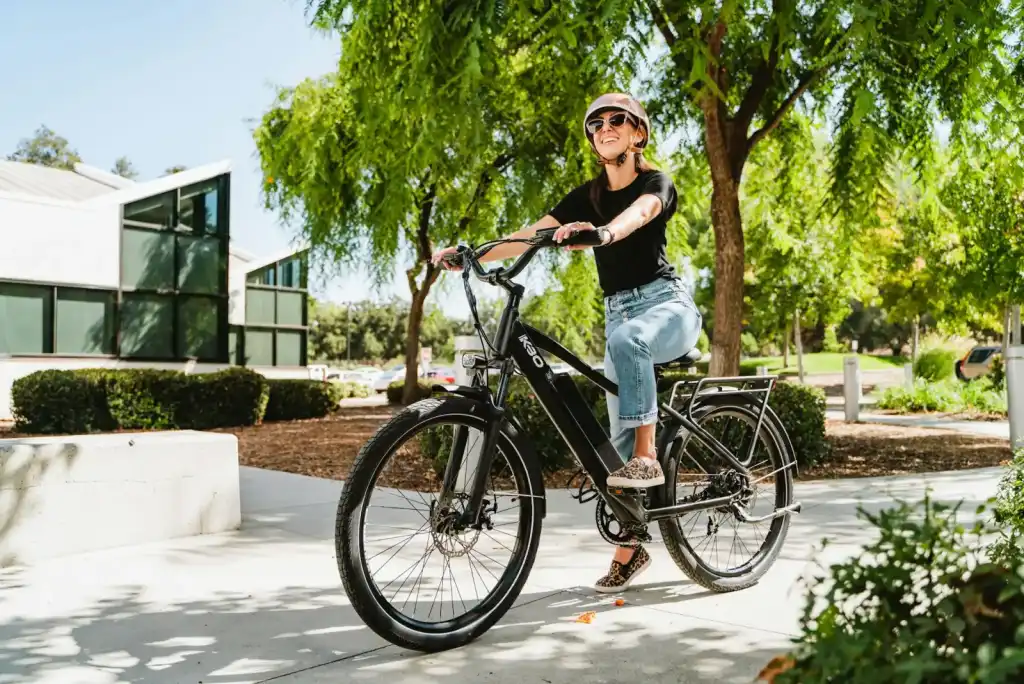
E-bikes for hills
Steep street? Look at the torque.
Disclosure: We may earn a commission if you buy through these links. It never changes our recommendations. How we make money.
Bikes that climb
Best value for hilly towns
Kingbull Jumper Go
90 Nm and 1400 W peak from a Bafang hub motor, a torque sensor and full suspension on compact 20-inch wheels, for $1,249. Kingbull rates it for 450 lb.
- 90 Nm
- Torque sensor
- 960 Wh battery
- Full suspension
Most torque from one motor
Himiway A7 Pro Commuter
A Ananda M100 mid-drive rated 130 Nm, driving through the gears, with a torque sensor and full suspension. Himiway rates it for 300 lb of rider and cargo, lower than the fat-tire bikes, and its spec table doesn't list a throttle.
- 130 Nm mid-drive
- Torque sensor
- 720 Wh battery
- 77 lb bike
Most raw power, for off-road climbs
ENGWE E26 3.0
Two hub motors rated 1,200 W together (2,000 W peak) and 160 Nm combined. That rating is above the 750 W in the federal e-bike definition, so check your state's rules before riding it on roads and paths, and expect the shortest range here in dual-motor mode.
- 160 Nm combined
- 960 Wh battery
- Full suspension
- 85.9 lb bike
Stated torque, most first
| Bike | Price | Torque | Motor | Pedal sensor | Battery | Bike weight |
|---|---|---|---|---|---|---|
| ENGWE E26 3.0 (opens in a new tab) | $1,799 | 160 Nm | 1,200 W (2,000 W peak) | not stated | 960 Wh | 85.9 lb |
| Himiway A7 Pro Commuter (opens in a new tab) | $1,999 | 130 Nm | 500 W | torque | 720 Wh | 77 lb |
| Kingbull Trekker (opens in a new tab) | $1,199 | 90 Nm | 750 W (1,400 W peak) | torque | 960 Wh | 79 lb |
| Kingbull Jumper Go (opens in a new tab) | $1,249 | 90 Nm | 750 W (1,400 W peak) | torque | 960 Wh | 81 lb |
| ENGWE EP-2 3.0 (opens in a new tab) | $1,499 | 90 Nm | 750 W (1,500 W peak) | torque (can be set to cadence) | 720 Wh | 75.4 lb |
| ENGWE L20 3.0 (opens in a new tab) | $1,599 | 90 Nm | 750 W (1,500 W peak) | torque (can be set to cadence) | 720 Wh | 76.1 lb |
| Kingbull EX Titan (opens in a new tab) | $1,699 | 90 Nm | 750 W (1,400 W peak) | torque | 960 Wh | 84 lb |
| Himiway D5 2.0 ST (opens in a new tab) | $1,999 | 90 Nm | 750 W (1,300 W peak) | torque/cadence switchable | 48 V 15 Ah (720 Wh) | 92 lb |
Specs and prices from each maker's US website on November 2, 2026. Range is the maker's own claim, usually at the lowest assist level with a light rider on flat ground. Max load is rider plus cargo. We have not ridden these bikes.
What matters on hills
New to e-bikes? Our e-bike guide covers class rules, cost per mile and rebates.
Frequently asked questions
How much torque does an e-bike need for hills?
Torque, in newton-metres (Nm), is the twisting force that gets you up a grade. Most hub-motor e-bikes here are rated 90 Nm; the Himiway A7 Pro Commuter's mid-drive is rated 130 Nm and the ENGWE E26 3.0's two motors 160 Nm combined. More torque helps most on steep, short climbs and starting from a stop on a slope; your own pedaling, gearing and weight still matter.
Is a mid-drive or hub motor better for hills?
A mid-drive motor sits at the pedals and drives through the bike's gears, so on a long climb you can shift down and let the motor work in its efficient range, the way you would on a regular bike. A hub motor sits in the wheel and is simpler and usually cheaper. Both climb; mid-drives tend to suit long, steep grades.
What is a torque sensor and does it help on hills?
A torque sensor measures how hard you press the pedals and adds power in proportion, so pushing harder up a hill brings more help right away. A cadence sensor only detects that the pedals are turning. Most bikes on this page use a torque sensor, according to their makers.
Will hills drain the battery faster?
Yes. Climbing takes more energy, and makers quote range on flat ground at low assist. If your rides are hilly, plan on less than the headline range or pick a bigger battery.
We compare makers' stated specs; we have not ridden these bikes. Prices are from the makers' US websites on November 2, 2026, several during sales, and change often. Kingbull, Himiway and ENGWE links may earn us a commission; Aventon is a plain link. See our disclaimer.
Sources
- ENGWE E26 3.0 product page — checked November 2, 2026
- Himiway A7 Pro Commuter product page — checked November 2, 2026
- Kingbull Trekker product page — checked November 2, 2026
- Kingbull Jumper Go product page — checked November 2, 2026
- ENGWE EP-2 3.0 product page — checked November 2, 2026
- ENGWE L20 3.0 product page — checked November 2, 2026
- Kingbull EX Titan product page — checked November 2, 2026
- Himiway D5 2.0 ST product page — checked November 2, 2026
- Aventon Level 4 ADV Ebike product page — checked November 2, 2026
Keep going
Photo: KBO Bike on Unsplash (Unsplash License).